
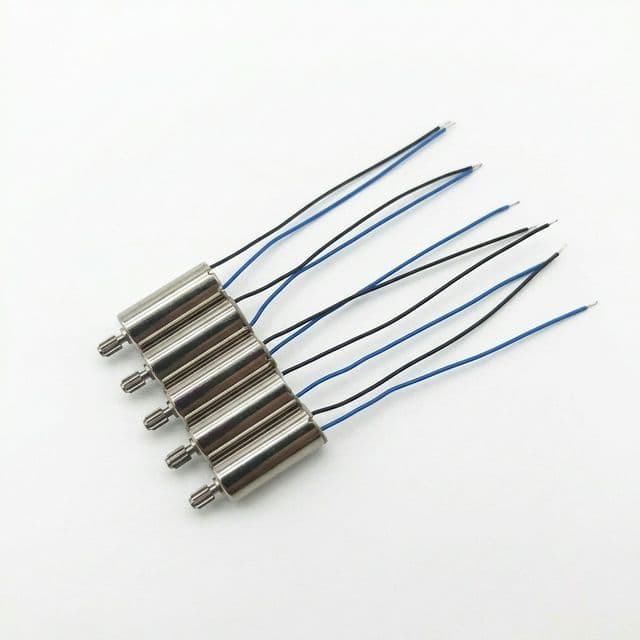
OEM Coreless Motor Development Timeline From Sample to Mass Production
A realistic B2B project timeline for custom coreless DC motor programs, including RFQ, sample iteration, validation, and ramp-up milestones.
OEM teams usually underestimate schedule risk in the middle stage between "sample approved" and "stable mass production."
In most projects, realistic end-to-end timing is around 10-16 weeks depending on customization depth and validation scope.
Stage-Gate Timeline Buyers Can Use
| Phase | Typical duration | Exit criteria | Buyer owner |
|---|---|---|---|
| RFQ and technical clarification | Week 1-2 | Performance target, envelope, and sample scope signed | Procurement + R&D |
| First sample build | Week 2-4 | Measured data package and gap list delivered | Engineering |
| Iteration and tuning | Week 4-7 | Revised design meets key electrical/mechanical targets | Engineering |
| Pilot run and process lock | Week 7-10 | Inspection rules, packaging, and process controls aligned | Quality + Supply chain |
| Ramp to stable mass production | Week 10+ | Output and quality baseline stable across batches | Operations |
Timeline Visibility Map (Critical-Path View)
What Must Be Frozen at Each Gate
Gate 1: Before First Sample
- Voltage window, load points, and duty profile.
- Critical dimensions: motor body, shaft, and mounting interface.
- Acceptance criteria for startup, noise, and thermal rise.
Gate 2: Before Pilot
- Final drawing revision and tolerance assumptions.
- Inspection method and sampling rules.
- Component change-control agreement.
Gate 3: Before Ramp
- Pilot yield baseline and major defect list.
- Final packaging and inbound quality criteria.
- Escalation path for delivery or quality risk.
Critical Path Items Buyers Often Miss
- Late shaft or coupling updates after sample approval.
- Retest cycles triggered by unclear noise test method.
- Long-lead materials without contingency planning.
- Multiple approval owners with no single final decision maker.
These items can add 2-4 weeks even when motor performance is already close.
Weekly Governance Dashboard (Buyer Side)
Track these five indicators every week:
- Open technical gaps and aging days.
- Sample pass rate at agreed load points.
- Pilot defect rate by top failure mode.
- Material readiness for next build window.
- Timeline variance versus baseline plan.
A simple shared dashboard prevents "status optimism" and catches schedule slip early.
Gate Readiness Score (Go / No-Go)
Use a fast numerical gate check before moving to the next phase.
| Gate | Score components | Go threshold | No-go trigger |
|---|---|---|---|
| Gate 1 -> Sample build | Load clarity (40) + interface freeze (40) + acceptance criteria (20) | >= 85 | Any missing startup or thermal threshold |
| Gate 2 -> Pilot | Performance closure (35) + drawing freeze (35) + inspection method (30) | >= 88 | Repeated failure on same key metric across 2 rounds |
| Gate 3 -> Ramp | Pilot yield (40) + supply readiness (30) + escalation readiness (30) | >= 90 | No recovery plan for long-lead material risk |
This score model is useful because it replaces subjective confidence with auditable release logic.
Re-Baseline Rules (When to Reset Timeline)
Re-baseline instead of forcing the old schedule when:
- Critical dimension changes after Gate 2.
- Two consecutive sample rounds fail the same key metric.
- Incoming quality or supplier capacity cannot support pilot commitments.
Resetting early is usually cheaper than shipping unstable quality to hit an artificial date.
Buyer Takeaway
A clear stage-gate model with frozen criteria and single-owner decisions improves delivery predictability, lowers hidden rework costs, and makes supplier performance auditable.
Downloadable Execution Templates
Timeline Stress Test Used in Real Gate Reviews
Use this scenario to pressure-test your plan:
| Event | Potential delay impact | Mitigation |
|---|---|---|
| Shaft interface update after sample approval | +1 to 2 weeks | Freeze critical dimensions before pilot gate |
| Noise retest due to unclear method | +1 week | Define fixture, distance, and load in Gate 1 |
| Long-lead component shortage | +1 to 3 weeks | Build approved alternates before pilot |
| Split ownership and delayed approvals | +3 to 7 days per gate | Assign one decision owner per gate |
This table is designed for project planning workshops where procurement and engineering need one shared risk view.
Baseline vs Stretched Plan Reference
| Workstream | Baseline plan | Stretched (higher risk) plan | What changes |
|---|---|---|---|
| Sample loops | 2 rounds | 3-4 rounds | More tuning cycles and test queue delay |
| Pilot readiness checks | 1 integrated review | 2 fragmented reviews | Approval latency increases |
| Supply risk mitigation | One approved alternate | Alternate not prepared | Material shocks directly hit ramp date |
| Governance cadence | Weekly single-owner review | Ad-hoc multi-owner updates | Decision lag compounds at each gate |
Related Buyer Resources
Use these companion pages to complete your pre-ramp decision package:
Author
Categories
More Posts
Beyond Unit Price: The 2026 Coreless DC Motor TCO Framework for Procurement
Use this coreless DC motor TCO framework to compare suppliers, quantify hidden assembly, battery, MOQ, and warranty costs, and prepare a stronger RFQ.

Coreless DC Motor Market Update (2026-W20): Tariff Review Windows, Drive-Safety Compliance, and Sourcing Decisions
A decision-grade update for motion-control and procurement teams on new U.S. Section 301 review windows, IEC 61800-5-1 implementation signals, and supplier-side changes affecting high-speed coreless DC motor programs.
Coreless Motor MOQ and Lead Time Terms B2B Buyers Should Lock Early
A practical guide to lock MOQ tiers, lead-time commitments, and risk-sharing terms in coreless DC motor sourcing programs.